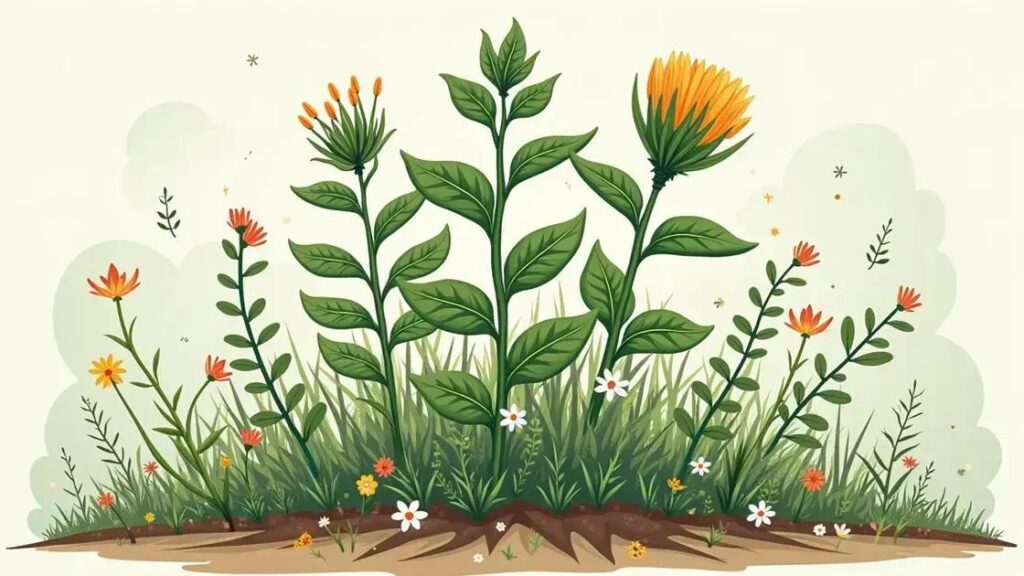
Plant Herbivirillis is a unique plant known for its significant role in ecosystems, including enriching soil health, supporting biodiversity, and regulating water. Its key components, such as chlorophyll and an extensive root system, contribute to its ability to thrive in various environments and positively impact local ecosystems.
Have you ever wondered what makes Plant Herbivirillis so unique? This remarkable plant is known for its distinct composition that plays a crucial role in its ecosystem. In this article, we will delve into the components that define Plant Herbivirillis, explore their functions, and discuss their significance. Join us as we uncover the secrets behind this fascinating plant.
Understanding Plant Herbivirillis
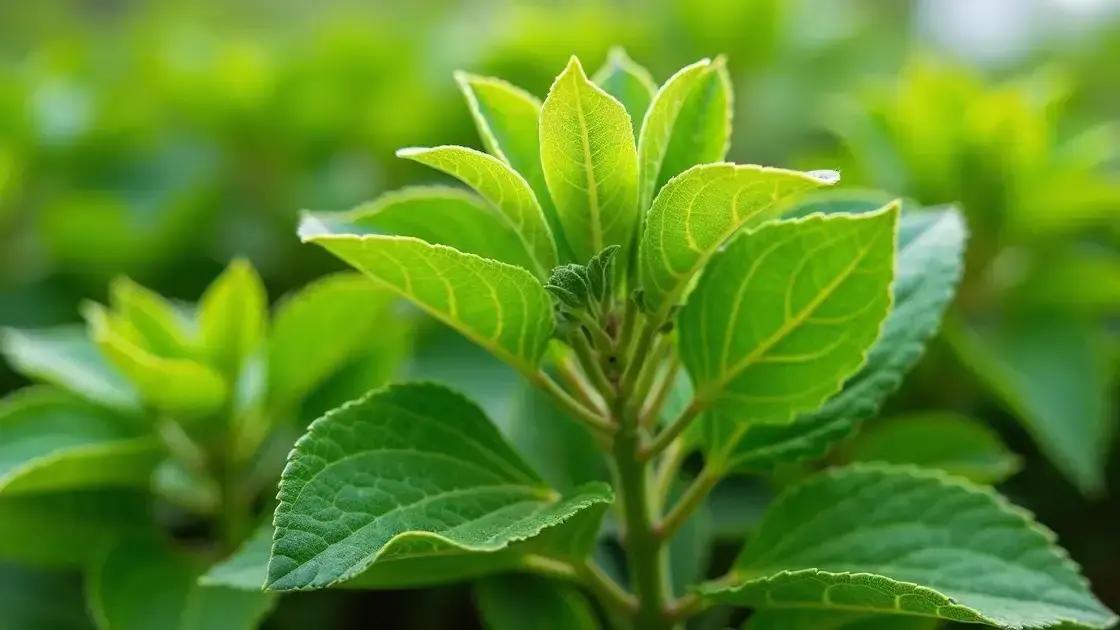
Plant Herbivirillis is a fascinating plant that captures the interest of botanists and nature enthusiasts alike. Understanding this plant’s characteristics is essential for appreciating its role in various ecosystems. It thrives in diverse environments, showcasing remarkable adaptability and resilience.
Defining Characteristics
Plant Herbivirillis features distinctive leaves and unique growth patterns. Its leaves are typically broad and have a rich green hue, making them easily recognizable. The plant can reach various heights, often depending on its location and growing conditions.
Natural Habitat
This plant commonly grows in nutrient-rich soils and areas with ample sunlight. You’ll often find it in forests, wetlands, and even grasslands. Its ability to thrive in such varied environments speaks to its adaptability.
Moreover, Plant Herbivirillis plays a crucial role in maintaining soil health. Its extensive root system helps prevent soil erosion, allowing it to contribute positively to its environment.
How to Identify
When identifying Plant Herbivirillis, look for its distinctive leaf shape and color. Check for its flowering patterns, which can vary and are often dependent on the plant’s growth stage. Observing these features will equip you with the knowledge needed to recognize this unique plant in the wild.
Key Components of Plant Herbivirillis
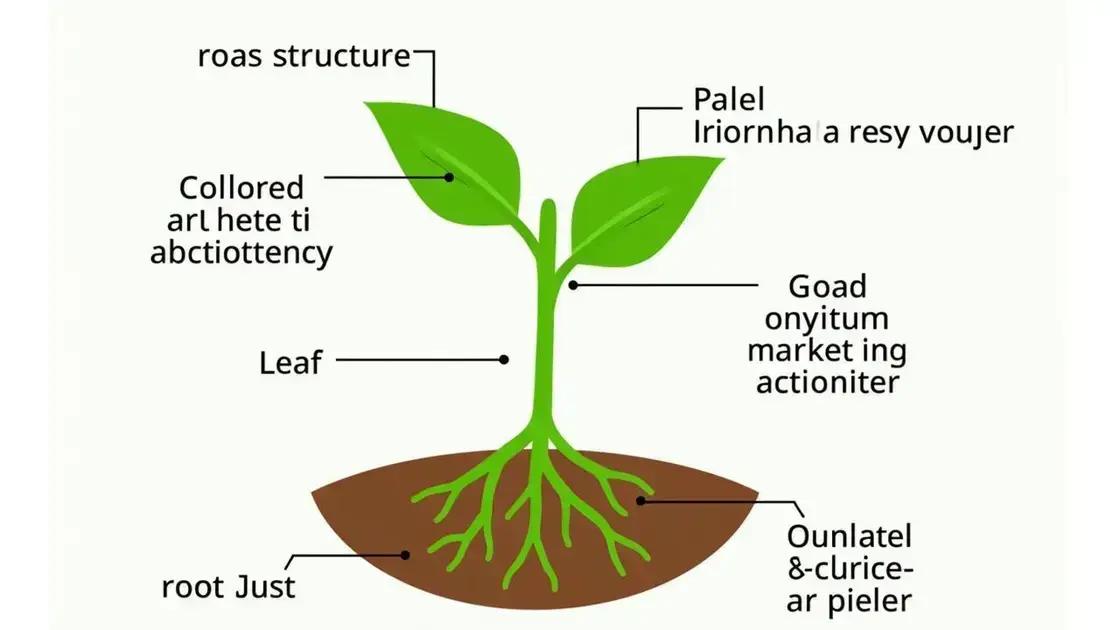
Plant Herbivirillis is composed of several key components that contribute to its overall function and importance in its ecosystem. Understanding these components helps us appreciate its role in nature.
Chlorophyll
One of the most crucial components of Plant Herbivirillis is chlorophyll. This green pigment enables the plant to absorb sunlight, which is vital for photosynthesis. Photosynthesis allows the plant to convert sunlight into energy, supporting its growth and reproduction.
Root System
The root system of Plant Herbivirillis plays an essential role in water and nutrient absorption. Deep roots help the plant access moisture and minerals from the soil. This adaptation is especially beneficial in varying climatic conditions.
Leaf Structure
Another significant component is the leaf structure. The broad leaves of Plant Herbivirillis not only capture sunlight efficiently but also facilitate gas exchange. This process is critical for maintaining healthy growth and photosynthetic activity.
Additionally, the plant may contain various secondary metabolites, including natural defenses that help it withstand pests and diseases. These components work together, showcasing the intricate functionality of Plant Herbivirillis within its ecosystem.
Impact on Ecosystems

Plant Herbivirillis has a significant impact on ecosystems where it thrives. Understanding these effects is essential to grasp its ecological role. Its presence influences soil health, biodiversity, and more.
Soil Enrichment
One important impact of Plant Herbivirillis is soil enrichment. The plant’s roots help aerate the soil and improve its structure. Through organic matter decomposition, it contributes nutrients back into the soil, fostering a healthier environment for other plants.
Biodiversity
Additionally, Plant Herbivirillis promotes biodiversity. It provides habitat and food sources for various species, including insects, birds, and small mammals. This plant can support a balanced ecosystem, ensuring survival among many species that depend on it.
Water Regulation
The plant also plays a role in water regulation. Its root system helps to absorb excess rainwater, reducing runoff and preventing soil erosion. By maintaining moisture levels in the soil, it supports other plants that grow nearby.
Moreover, Plant Herbivirillis can affect local climate conditions by providing shade, which helps regulate temperatures in its environment. Overall, its impact on ecosystems is profound, helping to maintain balance and support life.
In Conclusion: The Importance of Plant Herbivirillis
Understanding the composition and significance of Plant Herbivirillis reveals its critical role in ecosystems. From its unique components like chlorophyll and root systems to its impact on soil health and biodiversity, this plant is essential for maintaining balance in nature.
Its ability to enrich the soil, support diverse species, and regulate water underscores the intricate relationships present in ecosystems. As we explore the wonders of Plant Herbivirillis, we gain insight into the importance of preserving such vital plants in our environment.
Recognizing these contributions helps us appreciate the interconnectedness of life and the importance of protecting our natural ecosystems for future generations.
FAQ – Frequently Asked Questions about Plant Herbivirillis
What is Plant Herbivirillis?
Plant Herbivirillis is a unique plant known for its distinctive composition and significant ecological roles in various environments.
How does Plant Herbivirillis impact soil health?
It enriches the soil by improving its structure and nutrient content through organic matter decomposition, thus supporting other plant life.
Why is biodiversity important to Plant Herbivirillis?
Plant Herbivirillis supports biodiversity by providing habitat and food sources for numerous species, contributing to ecosystem balance.
What are the key components of Plant Herbivirillis?
Key components include chlorophyll for photosynthesis, a deep root system for nutrient absorption, and broad leaves for efficient sunlight capture.
How does Plant Herbivirillis regulate water in its ecosystem?
Its root system helps absorb excess rainwater, reducing runoff and preventing soil erosion, which maintains moisture levels for surrounding plants.
What role does Plant Herbivirillis play in climate regulation?
By providing shade and water regulation, it helps moderate temperatures in its environment, influencing local climate conditions.