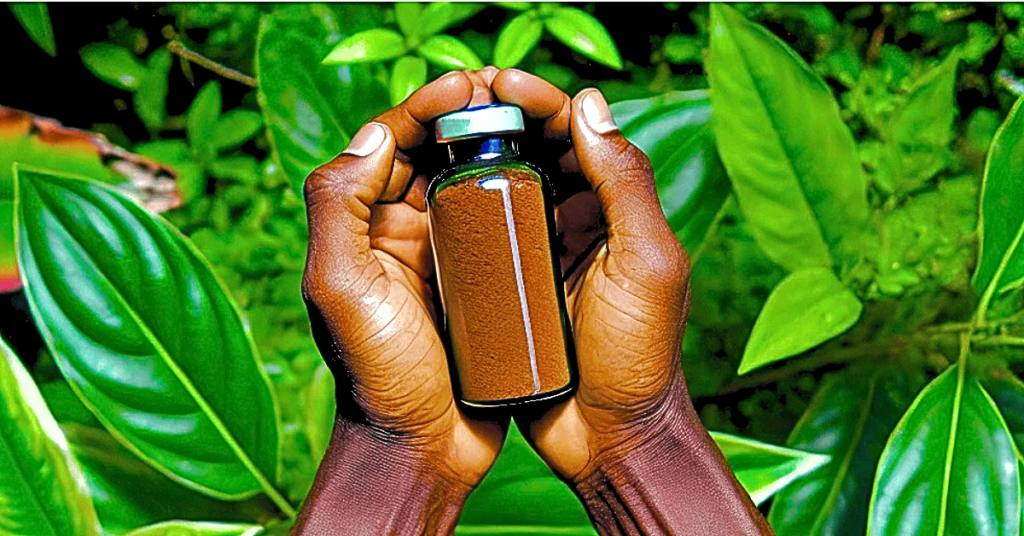
Plant Herbivirillis is a resilient plant known for its ability to improve soil health, reduce chemical use in farming, and adapt to climate change, offering sustainable solutions in modern agriculture.
In recent years, Plant Herbivirillis has garnered considerable attention within the scientific community. This fascinating plant species showcases unique characteristics that could revolutionize agricultural practices. By diving into recent studies and research, we can uncover its potential benefits and applications, paving the way for innovative solutions in farming. This article will provide key findings and explore how Plant Herbivirillis might shape the future of agriculture.
Recent Findings on Plant Herbivirillis
Recent studies on Plant Herbivirillis have unveiled exciting findings that highlight its unique properties and potential benefits. Researchers have focused on its resilience to various environmental stressors, which makes it a strong candidate for sustainable agricultural practices. One of the most significant discoveries is its ability to thrive in poor soil conditions while still providing substantial yields.
Unique Characteristics of Plant Herbivirillis
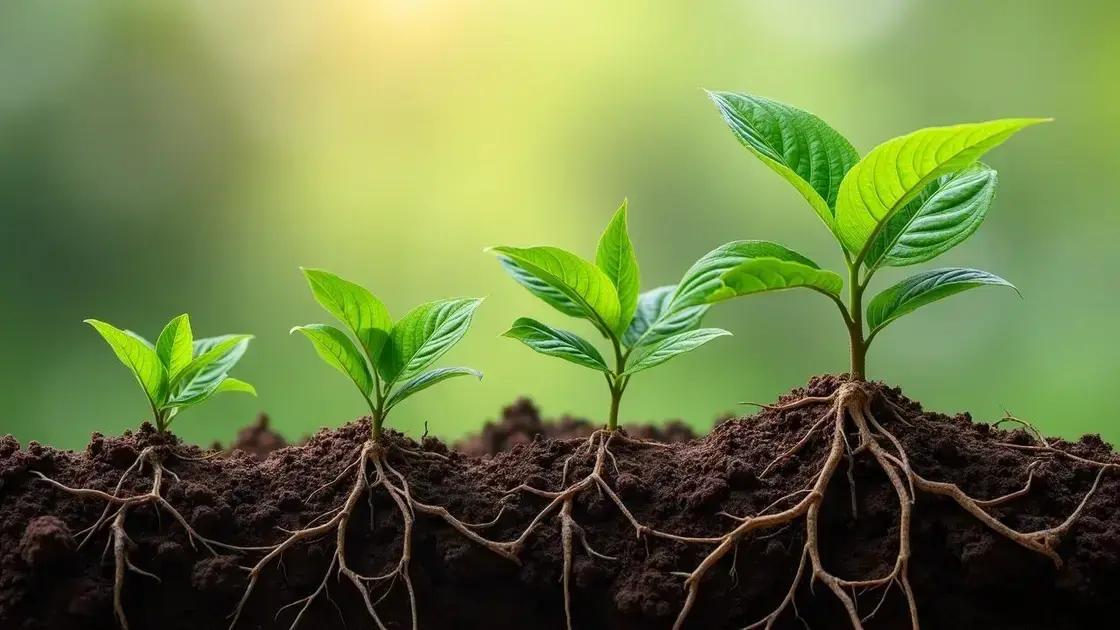
Studies indicate that Plant Herbivirillis possesses specialized adaptations such as deep root systems. These roots not only anchor the plant firmly but also enable it to access nutrients and water from deeper underground layers. This characteristic is particularly valuable in regions facing droughts.
Potential Benefits for Crop Diversification
Another crucial finding is the plant’s compatibility with various crops. When intercropped with traditional plants, Plant Herbivirillis has shown to improve soil health and increase overall yield. Researchers are exploring its role in crop rotation strategies, offering new pathways for enhanced biodiversity on farms.
Impacts on Pest Resistance
Additionally, recent findings suggest that Plant Herbivirillis may naturally repel certain pests. This property could reduce the need for chemical pesticides, fostering a healthier ecosystem and promoting more organic farming practices. The studies highlight the need for further exploration on how to best utilize this distinctive plant.
In summary, the recent findings on Plant Herbivirillis suggest that it could be an essential player in sustainable agriculture, with the potential to enhance crop resilience, yield, and ecological health.
Implications for Agriculture and Research
The implications of Plant Herbivirillis for agriculture and research are vast and transformative. As studies reveal its ability to adapt to challenging conditions, farmers and researchers are looking to harness its properties for improved crop management.
Enhancing Soil Health
Utilizing Plant Herbivirillis can enhance soil health significantly. Its deep root systems help break up compacted soil, allowing better airflow and drainage. This improvement in soil structure is essential for growing diverse crops and maintaining ecological balance.
Reducing Chemical Dependency
Incorporating Plant Herbivirillis into agricultural systems can help reduce reliance on chemical fertilizers and pesticides. Its natural pest-repellent qualities and ability to thrive in nutrient-deficient soils make it an eco-friendly alternative for sustainable farming.
Research Opportunities
On the research front, Plant Herbivirillis represents an exciting opportunity to study plant resilience and interactions in diverse ecosystems. Researchers can explore how this plant influences microbial communities in soil, further advancing sustainable agricultural methods.
Climate Change Adaptation
Evaluating Plant Herbivirillis’s resilience provides crucial insights for climate change adaptation strategies. Its ability to survive in drought conditions positions it as a potential key player in developing crops that can withstand future climatic changes, safeguarding food security.
The continuous study of Plant Herbivirillis offers vital information that can lead to innovative agricultural practices that prioritize sustainability and resilience in our food systems.
Unlocking the Potential of Plant Herbivirillis
The exploration of Plant Herbivirillis has revealed numerous benefits that could transform modern agriculture. From enhancing soil health to reducing the need for chemical inputs, this remarkable plant offers sustainable solutions to pressing agricultural challenges.
Research continues to show that Plant Herbivirillis is adaptable and resilient, making it a valuable asset in facing climate change and promoting biodiversity. As we look forward, it is essential to invest in further studies to fully grasp its implications in agriculture and ecosystem health.
Incorporating Plant Herbivirillis into farming practices can not only help farmers improve productivity but also contribute to a more sustainable and eco-friendly agricultural landscape. The future of farming may very well depend on embracing such innovative plants.
FAQ – Frequently Asked Questions about Plant Herbivirillis
What is Plant Herbivirillis?
Plant Herbivirillis is a resilient plant species that shows promise in enhancing agricultural practices, particularly through its unique adaptations and benefits.
How can Plant Herbivirillis improve soil health?
Plant Herbivirillis has deep root systems that improve soil structure and aeration, which helps enhance overall soil health and nutrient availability.
What are the benefits of using Plant Herbivirillis in farming?
Using Plant Herbivirillis can provide benefits such as reduced need for chemical fertilizers, improved crop diversity, and natural pest resistance.
How does Plant Herbivirillis help with climate change adaptation?
Plant Herbivirillis is adaptable to drought conditions, making it a vital contributor in developing climate-resilient crops essential for future food security.
What research opportunities does Plant Herbivirillis provide?
Researching Plant Herbivirillis can yield insights into plant resilience, interactions with soil microbes, and new sustainable agricultural methods.
Can Plant Herbivirillis be intercropped with other plants?
Yes, studies show that intercropping Plant Herbivirillis with traditional crops can enhance yields and promote soil health.