The Trick of the Egyptians refers to ancient healing practices that may interact with modern medications. Studies reveal that herbal remedies used by the Egyptians can enhance or alter medication effects, making it essential for patients and healthcare providers to consider these interactions for safe and effective treatment strategies.
Have you ever wondered, does the Trick of the Egyptians interact with medications? This intriguing question merges ancient practices with modern medicine, revealing a wealth of knowledge at the intersection of tradition and science. In this article, we will dive deep into the various aspects of this trick, uncover scientific insights, and examine real-life examples to understand its impact on medications. Join us as we explore how these age-old techniques might affect your health today.
Understanding the Trick of the Egyptians
Understanding the Trick of the Egyptians requires us to delve into the rich history and cultural practices that shaped ancient Egyptian life. This trick is not merely a mystical concept; it involves techniques and remedies that were used to enhance well-being and provide healing. Ancient Egyptians had a profound knowledge of the natural world, which they utilized in their daily practices.
Historical Context
The ancient Egyptians believed in a harmonious balance between body, mind, and spirit. They utilized herbs, rituals, and various forms of natural therapies to maintain health and treat ailments. This understanding was deeply connected to their religion and belief systems, which emphasized the importance of both physical and spiritual health.
Techniques and Remedies
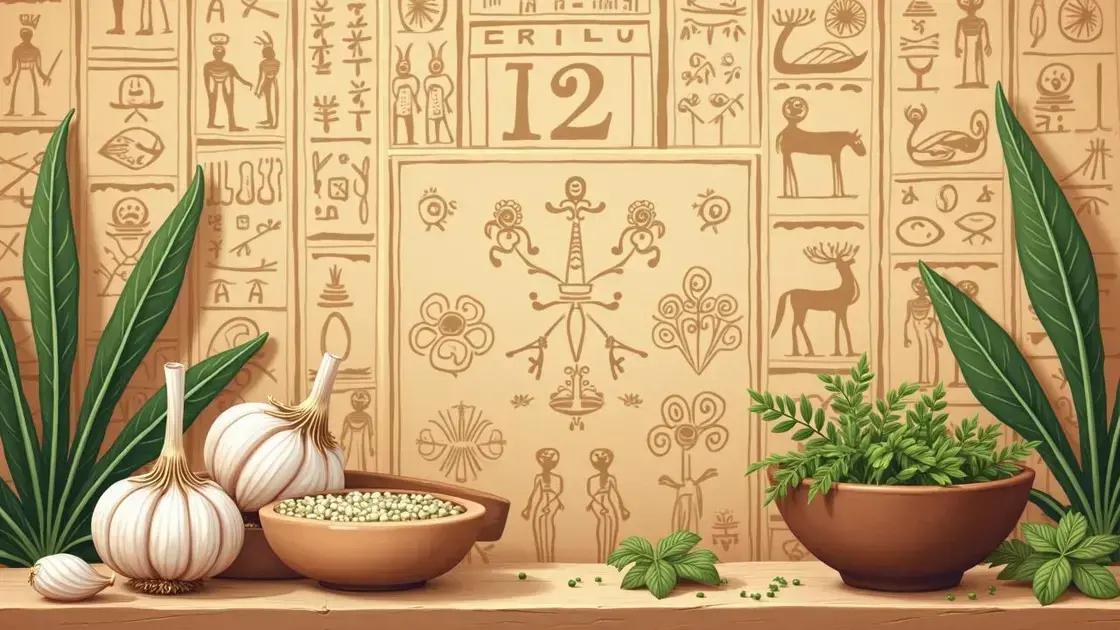
One of the key components of the trick involved the use of medicinal herbs. Plants like garlic, juniper, and coriander were commonly used for their healing properties. Specific rituals were performed to invoke healing, which often included the recitation of prayers or the use of amulets for protection.
Modern Implications
Today, researchers are exploring how these ancient practices might interact with modern medications. Understanding these interactions can help bridge ancient wisdom with contemporary medical science, opening new avenues for healing and treatment. The Trick of the Egyptians may hold secrets that can complement or enhance modern health practices, making it crucial to explore this relationship further.
The Science Behind Medication Interaction

To understand the science behind medication interaction, we need to consider how drugs work within the body. Every medication interacts with biological systems in specific ways, and these interactions can be influenced by various factors, including diet, existing health conditions, and even ancient practices like those of the Egyptians.
How Medications Work
Medications are designed to achieve a certain effect by interacting with cellular structures in the body. They may stimulate, enhance, or inhibit biological processes. For example, some medications can increase the effectiveness of the immune system, while others might slow down metabolic functions.
Factors Influencing Interaction
Several factors affect how a medication interacts with the body. Age, weight, and genetic makeup can all play a role. Moreover, combining herbal remedies or ancient techniques with modern medications can sometimes alter their effects. Understanding these interactions is crucial for safety and effectiveness.
Research and Findings
Recent studies are exploring how traditional practices, including Egyptian tricks, could impact modern medications. Some herbal remedies used by ancient Egyptians contain compounds that may either enhance or reduce the effects of pharmaceuticals. This ongoing research aims to uncover potential benefits or risks, making it essential for medical professionals to consider these factors when prescribing treatments.
Real-Life Examples and Case Studies
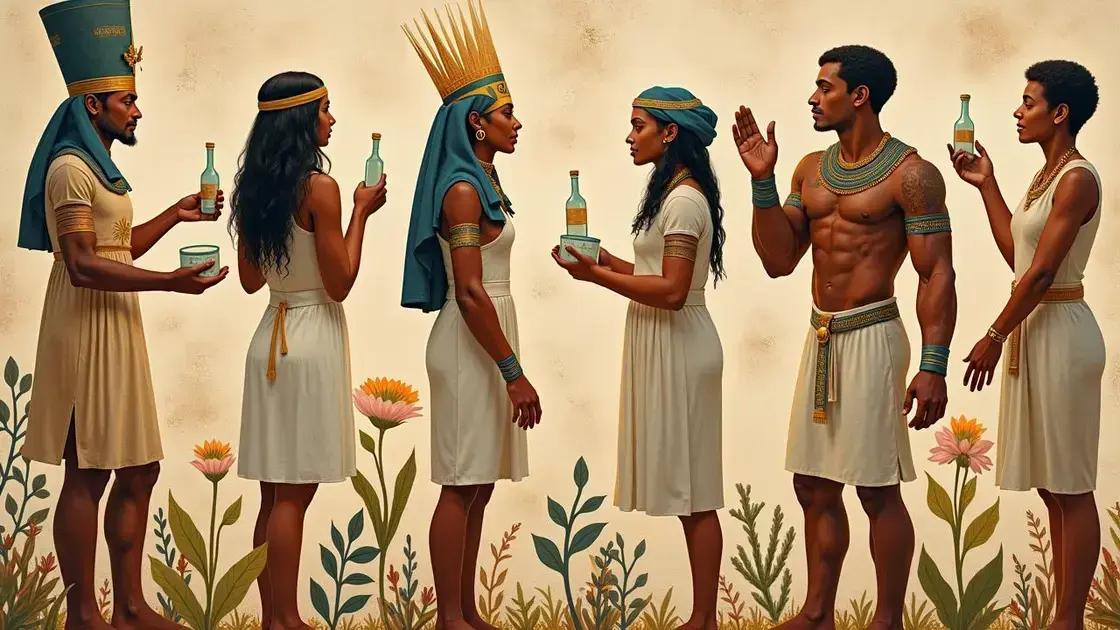
Real-life examples and case studies can provide valuable insight into how the Trick of the Egyptians might interact with medications. These instances reveal the practical implications of combining ancient practices with modern pharmaceutical treatments.
Case Study 1: Herbal Remedies for Inflammation
A group of researchers studied patients using traditional Egyptian herbal remedies alongside anti-inflammatory medications. They found that certain herbs, like fenugreek, enhanced the effects of the medication, leading to improved outcomes for patients suffering from chronic inflammation.
Case Study 2: Respiratory Health
Another case involved patients with asthma who incorporated ancient Egyptian practices into their treatment plans. Using techniques like guided breathing paired with herbal inhalants helped reduce reliance on bronchodilators, showcasing the potential for complementary therapies.
Lessons Learned
These case studies highlight the importance of understanding how traditional methods may impact modern medications. The interactions can lead to beneficial outcomes but also pose risks if not carefully monitored. It is essential for healthcare providers to be aware of patients’ use of alternative treatments inherited from ancient practices.
Exploring the Interaction Between Ancient and Modern Practices
The exploration of whether the Trick of the Egyptians interacts with medications unveils fascinating insights into the blend of ancient wisdom and contemporary science. Understanding this relationship allows us to appreciate the depth of historical practices while considering their relevance in today’s healthcare landscape.
From herbal remedies to holistic approaches, the lessons learned from ancient Egyptian practices could provide innovative pathways for enhancing medication efficacy. As seen in real-life case studies, these interactions can lead to improved health outcomes when approached mindfully.
Incorporating alternative methods alongside modern medicine presents both opportunities and challenges that require careful consideration. Therefore, it is crucial for both healthcare providers and patients to engage in open dialogue about all treatment options, paving the way for a more integrated and informed approach to health.
FAQ – Frequently Asked Questions about the Trick of the Egyptians and Medication Interaction
What is the Trick of the Egyptians?
The Trick of the Egyptians refers to ancient practices and remedies utilized by the Egyptians for enhancing health and well-being.
How might ancient Egyptian practices interact with modern medications?
Ancient practices, such as the use of herbal remedies, may enhance or alter the efficacy of modern medications, which requires careful monitoring.
Are there real-life examples of these interactions?
Yes, case studies show patients combining traditional Egyptian herbal remedies with medications often resulted in improved outcomes.
What should I consider if I want to use both ancient practices and modern medications?
It’s important to consult with healthcare providers to ensure safety and efficacy when combining treatments.
Can these practices be beneficial?
Yes, some ancient remedies may offer additional benefits, but understanding their interactions with medications is crucial.
What role does research play in understanding these interactions?
Ongoing research helps uncover how traditional remedies affect modern treatments, guiding safer practices in healthcare.