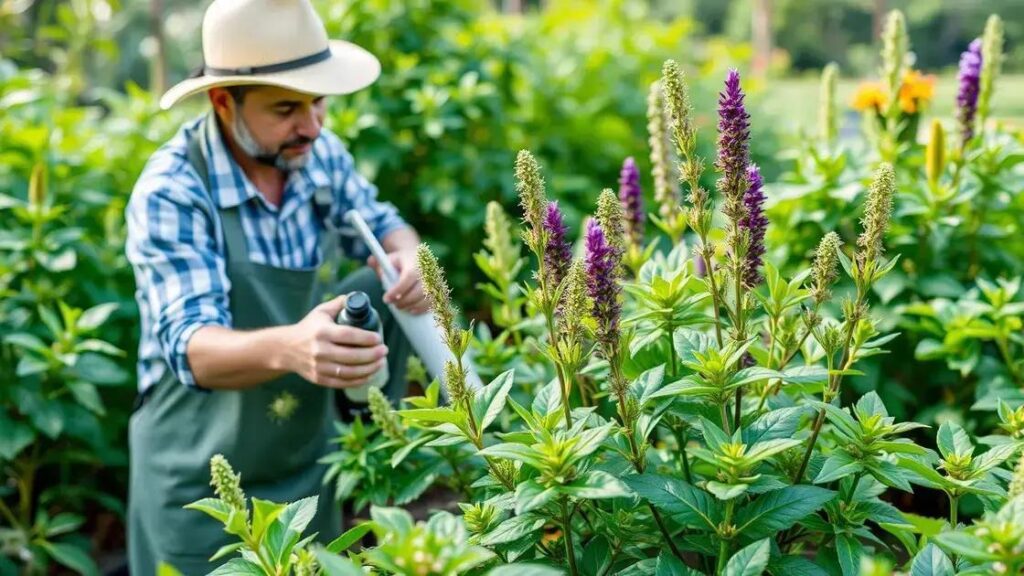
To use Plant Herbivirillis correctly, dilute it in a ratio of one part Herbivirillis to ten parts water, apply it in the early morning or late afternoon, and monitor plant responses to maximize its benefits for improving soil health and enhancing plant growth.
Plant Herbivirillis is a powerful aid for anyone looking to enhance their gardening practices. When used correctly, this herb can significantly boost plant health and yield. In this article, we will explore how to use Plant Herbivirillis effectively, offering you insights on optimal techniques, common pitfalls to avoid, and the best practices to ensure your garden flourishes. Whether you are a novice gardener or experienced, these tips will help you harness the full potential of this plant.
Understanding Plant Herbivirillis
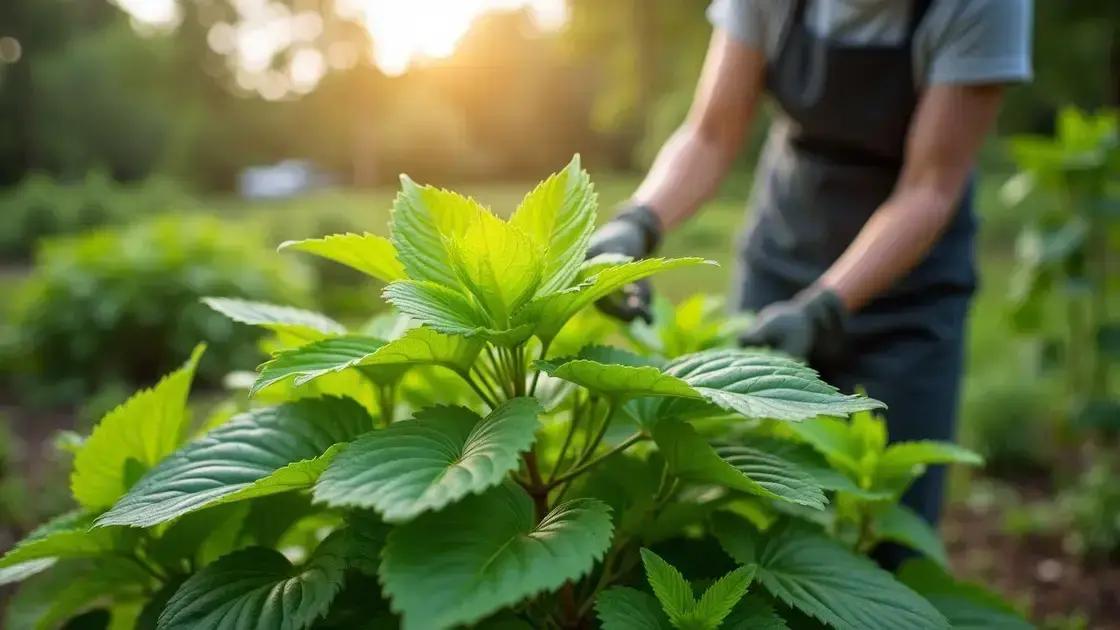
Plant Herbivirillis is a unique herb known for its beneficial properties in gardening. Understanding how this herb works is essential for using it effectively. This plant contains compounds that improve soil health and enhance the growth of nearby plants.
What is Plant Herbivirillis?
Plant Herbivirillis is a natural herb that is often used in organic gardening. It is characterized by its vibrant leaves and strong aroma. This herb plays a significant role in attracting beneficial insects and repelling harmful pests.
How Does Herbivirillis Work?
The active compounds in Plant Herbivirillis stimulate the soil microbiome. This means the herb helps in creating a more fertile environment for plants. When the soil is healthy, plants grow stronger and more resilient against diseases.
Why Use Plant Herbivirillis?
Using Plant Herbivirillis correctly can lead to impressive results. This herb helps improve nutrient uptake in plants and increases their resistance to stress. Gardeners often notice that their plants yield more when this herb is part of their gardening routine.
In addition, Plant Herbivirillis requires minimal maintenance. It thrives in various soil types and conditions, making it accessible for all types of gardeners.
Planting and Caring for Herbivirillis
To grow Plant Herbivirillis successfully, choose a sunny spot in your garden. Ensure the soil is well-draining. You can start by sowing seeds directly into the soil or transplanting young plants.
Water the plants regularly but avoid overwatering. This herb prefers slightly dry conditions between watering sessions. Additionally, it’s a good idea to prune the plants occasionally to encourage bushier growth.
Best Practices for Using Herbivirillis
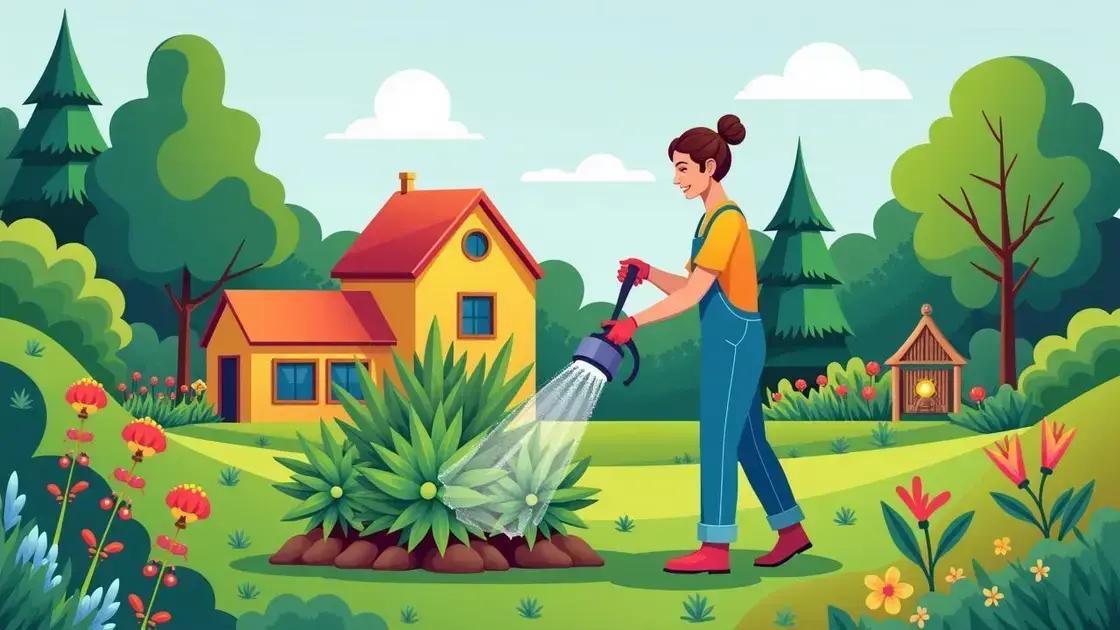
Using Plant Herbivirillis effectively can greatly enhance your gardening experience. Here are some best practices to ensure you get the most out of this powerful herb.
1. Timing is Key
Apply Plant Herbivirillis during the early morning or late afternoon. This timing allows the plants to absorb it better before the sun’s heat can drive away moisture.
2. Dilution Guidelines
Always dilute Plant Herbivirillis before application. A common ratio is one part Herbivirillis to ten parts water. This helps prevent any potential burning of plant leaves and ensures optimal absorption.
3. Target the Right Plants
Apply Herbivirillis near plants that typically attract pests. This herb acts as a natural repellent, helping to protect your crops. Frequent application to at-risk areas can reduce pest problems.
4. Rotate Your Application
Do not use Plant Herbivirillis on the same plants continuously. Rotating its application can help prevent pests from adapting and ensures the herb remains effective in your gardening routine.
5. Monitor Plant Response
Keep an eye on your plants after applying Herbivirillis. Look for signs of stress or improvement. This will help you adjust your application techniques and maintain healthy plant growth.
6. Combine with Companion Plants
Pair Plant Herbivirillis with companion plants that enhance its effects. Certain combinations can boost growth and pest resistance, creating a balanced ecosystem in your garden.
By following these best practices, gardening with Plant Herbivirillis can become a rewarding and effective part of your strategy.
Common Mistakes to Avoid with Herbivirillis

While Plant Herbivirillis can be beneficial, there are common mistakes that can hinder its effectiveness. Avoiding these errors will help you maximize its potential in your garden.
1. Overusing Plant Herbivirillis
Many gardeners think that more is better. Applying too much Herbivirillis can stress plants instead of helping them. Always follow recommended dilution ratios.
2. Ignoring Soil Conditions
Plant Herbivirillis works best in healthy soil. If your soil is compacted or lacks nutrients, the herb won’t be as effective. Make sure to prepare your soil properly before application.
3. Failing to Test First
Before using Herbivirillis on your entire garden, test it on a small section first. This way, you can observe how your plants react without risking the health of your entire garden.
4. Using with Incompatible Plants
Not all plants benefit from Plant Herbivirillis. Certain species may react poorly. Do research to ensure the plants you are applying it to are compatible.
5. Neglecting Application Timing
Timing matters! Applying Herbivirillis during the hottest part of the day can reduce its effectiveness. Stick to the early morning or late afternoon for best results.
6. Not Observing Plant Reactions
After application, monitor your plants for signs of stress or improvement. Ignoring these signals can lead to missed opportunities for adjustment.
By avoiding these common mistakes, you can use Plant Herbivirillis more effectively and promote a thriving garden.
In Summary: Using Plant Herbivirillis for Optimal Results
Understanding how to use Plant Herbivirillis properly is essential for any gardener looking to enhance their plant health and yield. By familiarizing yourself with its benefits, best practices, and common mistakes to avoid, you can ensure that this powerful herb works effectively to protect and stimulate your garden.
Applying Plant Herbivirillis at the right time, in the right amounts, and with compatible plants will lead to great results. Always monitor your garden’s response after application to adjust your techniques as needed.
Embrace these guidelines to unlock the full potential of Plant Herbivirillis and watch your garden thrive with vibrant growth and resilience against pests.
FAQ – Frequently Asked Questions about Using Plant Herbivirillis
What is Plant Herbivirillis?
Plant Herbivirillis is a natural herb known for enhancing plant health by improving soil quality and attracting beneficial insects.
How do I apply Plant Herbivirillis correctly?
Dilute Plant Herbivirillis according to the recommended ratio, usually one part to ten parts water. Apply it during early morning or late afternoon for best results.
What are the benefits of using Herbivirillis in my garden?
Using Plant Herbivirillis can improve nutrient uptake, increase resistance to pests, and promote healthier, more vigorous plant growth.
What common mistakes should I avoid when using Herbivirillis?
Avoid overusing the herb, ignoring soil conditions, and failing to test it on a small area before full application.
Can I use Herbivirillis with all plants?
No, some plants may not benefit from Plant Herbivirillis. Always research plant compatibility before application.
How often should I apply Plant Herbivirillis?
Application frequency can vary, but it is recommended to monitor plant response and test the effectiveness regularly. Generally, apply every few weeks during the growing season.