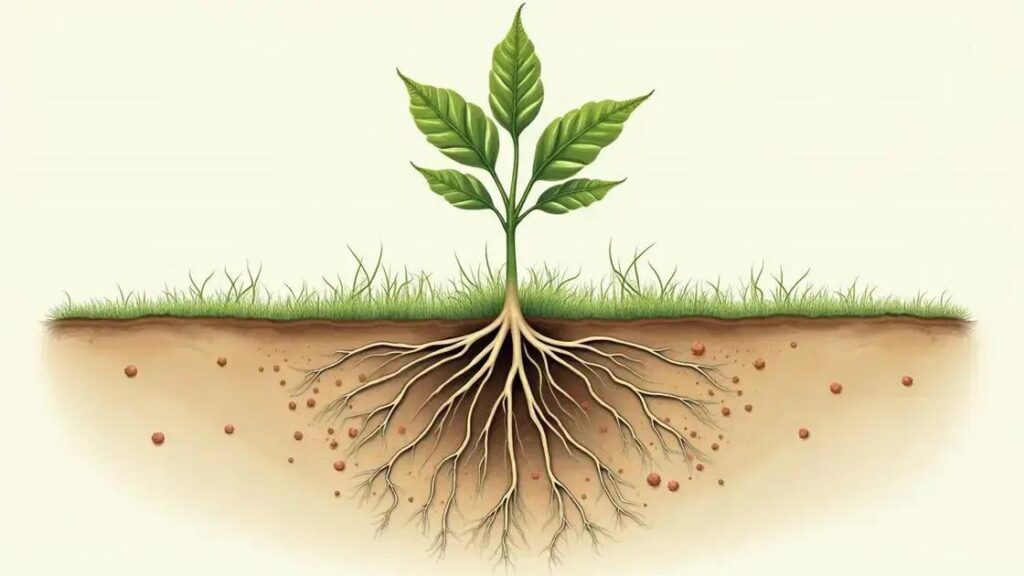
Plant Herbivirillis refers to the phenomenon where plants develop symbiotic relationships with microorganisms, which can have significant implications for plant health and productivity. This complex interaction can impact ecosystem processes, including nutrient cycling, decomposition, and primary production, and inform the development of more effective conservation and management strategies.
Plant Herbivirillis, a fascinating topic that delves into the intricate world of plant-microorganism interactions. As scientists continue to uncover the secrets behind this phenomenon, we’re left wondering: is there scientific evidence to support its existence?
The Science Behind Plant Herbivirillis
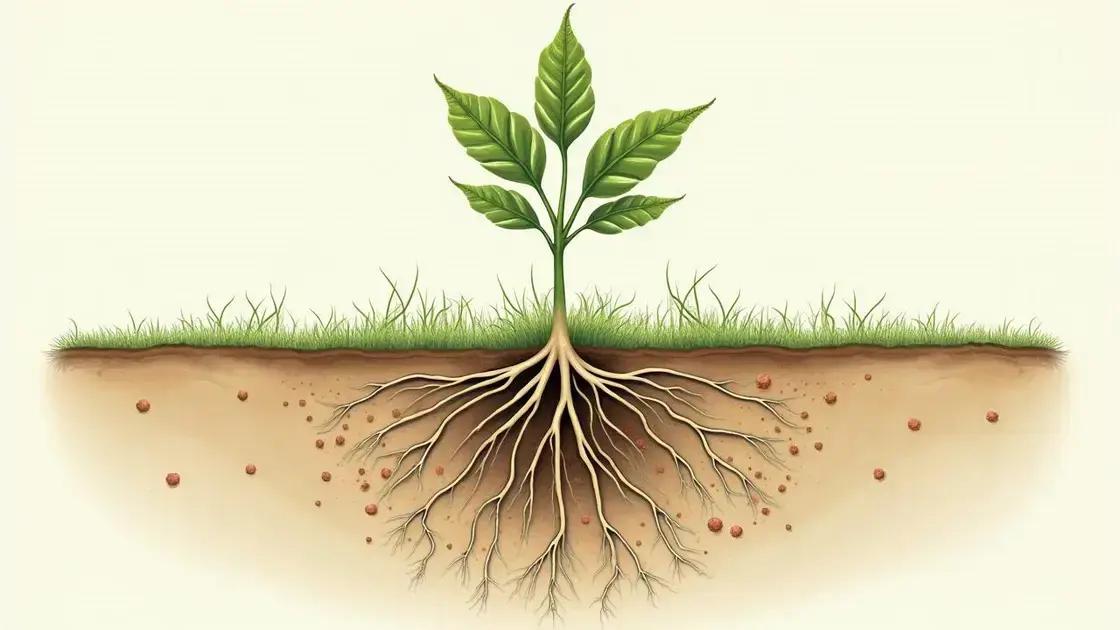
The concept of Plant Herbivirillis has sparked widespread interest in the scientific community, with researchers seeking to understand the intricacies of plant-microorganism interactions. At its core, Plant Herbivirillis refers to the phenomenon where plants develop symbiotic relationships with microorganisms, which can have significant implications for plant health and productivity.
The Role of Microorganisms
Microorganisms play a crucial role in Plant Herbivirillis, as they provide essential nutrients and services to plants. These microorganisms can be beneficial, neutral, or even pathogenic, depending on the specific context.
The Mechanisms of Plant Herbivirillis
Researchers have identified several mechanisms that facilitate Plant Herbivirillis, including the exchange of nutrients and signaling molecules between plants and microorganisms. This interactive process can lead to the development of novel traits, such as increased resistance to disease or improved nutrient uptake.
Studies have shown that Plant Herbivirillis can have significant impacts on plant development, including changes to root architecture, leaf morphology, and flower development. The implications of these changes are far-reaching, with potential applications in agriculture, ecology, and biotechnology.
The Future of Plant Herbivirillis Research
As research in Plant Herbivirillis continues to evolve, scientists are poised to unlock new secrets about the complex relationships between plants and microorganisms. Future studies will likely focus on harnessing the potential of Plant Herbivirillis for sustainable agriculture and environmental conservation.
With a deeper understanding of Plant Herbivirillis, we can develop more effective strategies for promoting plant health, improving crop yields, and mitigating the impacts of climate change.
The Significance of Plant Herbivirillis in Our Ecosystem

Plant Herbivirillis has far-reaching implications for our ecosystem, as it plays a crucial role in shaping the relationships between plants and microorganisms. By understanding the significance of Plant Herbivirillis, we can better appreciate the complex interactions that occur within ecosystems, and develop more effective strategies for conservation and sustainability.
The Ecosystem Impact
Plant Herbivirillis can have significant impacts on ecosystem processes, including nutrient cycling, decomposition, and primary production. For example, the presence of microorganisms can enhance plant growth, while also influencing the diversity and abundance of other organisms in the ecosystem.
Ecological Consequences
Studies have shown that Plant Herbivirillis can lead to changes in community composition, altered nutrient cycling patterns, and shifts in ecosystem processes. These changes can have cascading effects on the entire ecosystem, potentially leading to changes in ecosystem resilience and stability.
Understanding the ecological consequences of Plant Herbivirillis is essential for developing effective conservation and management strategies. By recognizing the importance of these interactions, we can work to preserve ecosystem function and promote biodiversity.
Applications in Conservation
Plant Herbivirillis has important implications for conservation efforts, as it can inform the development of more effective restoration strategies. By understanding the relationships between plants and microorganisms, conservationists can design more effective restoration programs that promote ecosystem recovery and resilience.
Furthermore, Plant Herbivirillis can provide valuable insights into the complex interactions that occur within ecosystems, allowing us to develop more effective conservation strategies that take into account the intricate relationships between organisms.
In Conclusion
Uncovering the scientific evidence for Plant Herbivirillis has shed light on the intricate relationships between plants and microorganisms. By understanding the science behind Plant Herbivirillis, we can appreciate the significance of these interactions in our ecosystem.
This knowledge can inform conservation efforts, promote sustainable agriculture, and unlock new opportunities for biotechnology. As research in Plant Herbivirillis continues to evolve, we can harness its potential to drive innovation and improve our understanding of the natural world.
Ultimately, the significance of Plant Herbivirillis lies in its ability to shape our understanding of the complex relationships that exist within ecosystems. By embracing this knowledge, we can work towards a more sustainable and resilient future.
FAQ – Perguntas frequentes sobre Plant Herbivirillis
What is Plant Herbivirillis and why is it important?
Plant Herbivirillis refers to the phenomenon where plants develop symbiotic relationships with microorganisms, which can have significant implications for plant health and productivity.
How does Plant Herbivirillis impact the ecosystem?
Plant Herbivirillis can have significant impacts on ecosystem processes, including nutrient cycling, decomposition, and primary production, and can inform the development of more effective conservation and management strategies.
What are the benefits of studying Plant Herbivirillis?
Understanding Plant Herbivirillis can promote sustainable agriculture, unlock new opportunities for biotechnology, and drive innovation in our understanding of the natural world.
How can Plant Herbivirillis be applied in conservation efforts?
Plant Herbivirillis can inform the development of more effective restoration strategies, and provide valuable insights into the complex interactions that occur within ecosystems.
What are the challenges associated with studying Plant Herbivirillis?
One of the main challenges is the complexity of the interactions between plants and microorganisms, which can make it difficult to isolate and understand the specific roles of each partner.
Is Plant Herbivirillis a new area of research?
While the concept of Plant Herbivirillis is not new, the recent advances in sequencing technologies and computational power have enabled researchers to better understand and study these interactions.